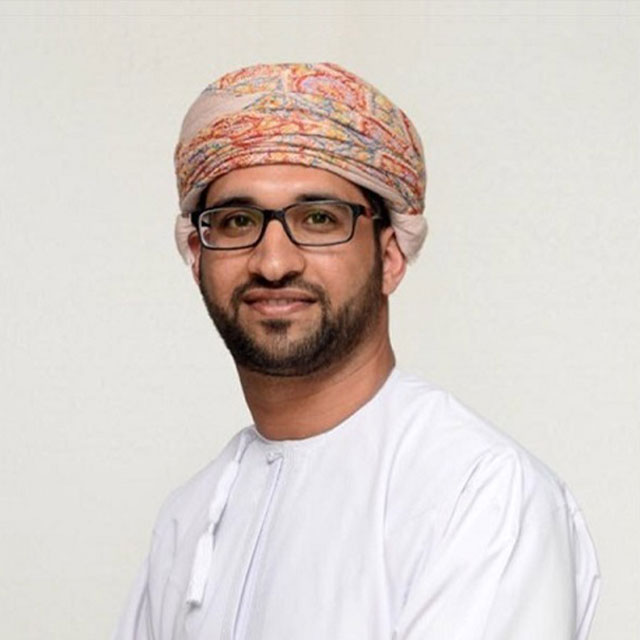
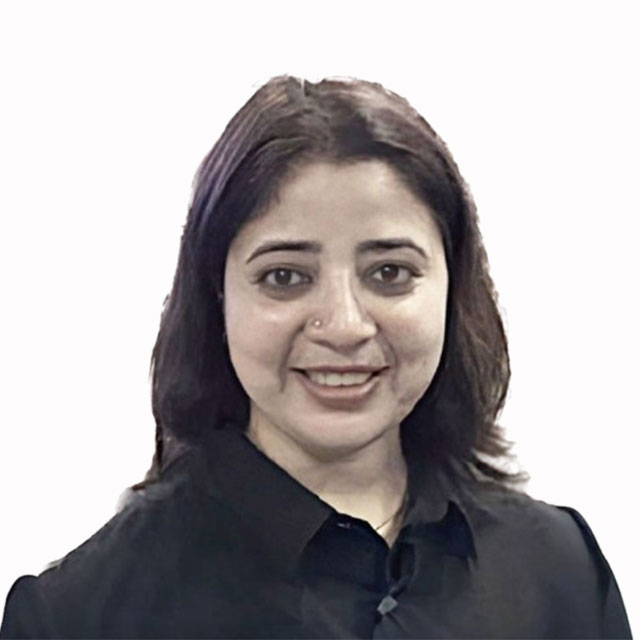
EDITORIAL TEAM

Letter From the Editor
Education today stands at a critical crossroads in a world that is increasingly diverse, interconnected, and complex. The challenges we face are not isolated—they are deeply intertwined, rapidly evolving, and often unpredictable. In recent years, education systems are no longer simply responding to change—they are required to actively navigate and shape it.
From growing cultural diversity and social polarization to the demands of global citizenship, digital transformation, and the rapid integration of artificial intelligence in education, the landscape of learning is being fundamentally redefined. Traditional approaches to education are no longer sufficient. What is needed is a more inclusive, adaptive, and forward-looking perspective—one that embraces diversity, fosters mutual understanding, and integrates ethical and cultural dimensions into educational practice.
At the same time, technology is reshaping how knowledge is created, accessed, and shared. Digital learning environments, artificial intelligence, and data-driven educational systems offer new opportunities to enhance learning outcomes. However, these developments also raise important questions regarding equity, ethics, cultural sensitivity, and accessibility. Education must ensure that technological advancement supports inclusion rather than deepens existing inequalities.
Learners and communities are also changing. They are more aware of identity, values, and social justice issues, and they expect education to reflect and respect this diversity. Education is no longer only about knowledge acquisition, but also about building character, promoting tolerance, and nurturing a sense of shared humanity grounded in both global perspectives and Islamic values.
This year, our editorial vision focuses on several key areas shaping the future of multicultural and Islamic education:
1. Inclusive and Multicultural Learning Environments
2. Islamic Education and Contemporary Social Challenges
3. Ethical and Inclusive Integration of AI in Education
4. Cultural Diversity, Social Cohesion, and Global Citizenship
5. Sustainable and Value-Based Educational Practices
We believe these areas represent not only challenges but also opportunities to transform education into a more inclusive, equitable, and meaningful process. Through the research and ideas presented in this journal, we aim to contribute to a deeper understanding of how education can respond to diversity while upholding ethical, cultural, and spiritual values.
We invite you to explore, reflect, and engage with the contributions in this volume as we collectively advance the future of multicultural education.
Dwi Mariyono - ORCID ID
Editor in Chief